
How should we design a Medical English curriculum?
This question may sound surprisingly simple. However, it remains one of the most challenging questions facing Medical English educators today.
When discussing curriculum development, we often focus on textbooks, classroom activities, or teaching methods. While these are undoubtedly important, they are not where curriculum development should begin. Before deciding how to teach, we must first clarify why we teach and what our graduates should ultimately be able to do.
At the 29th Annual Meeting of the Japan Society for Medical English Education (JASMEE), I presented our longitudinal Medical English curriculum using Kern’s Six-Step Approach to Curriculum Development as the underlying framework. Rather than introducing individual educational activities, the presentation addressed a broader question:
How can Medical English educators systematically design, assess, evaluate, and continuously improve their curriculum?
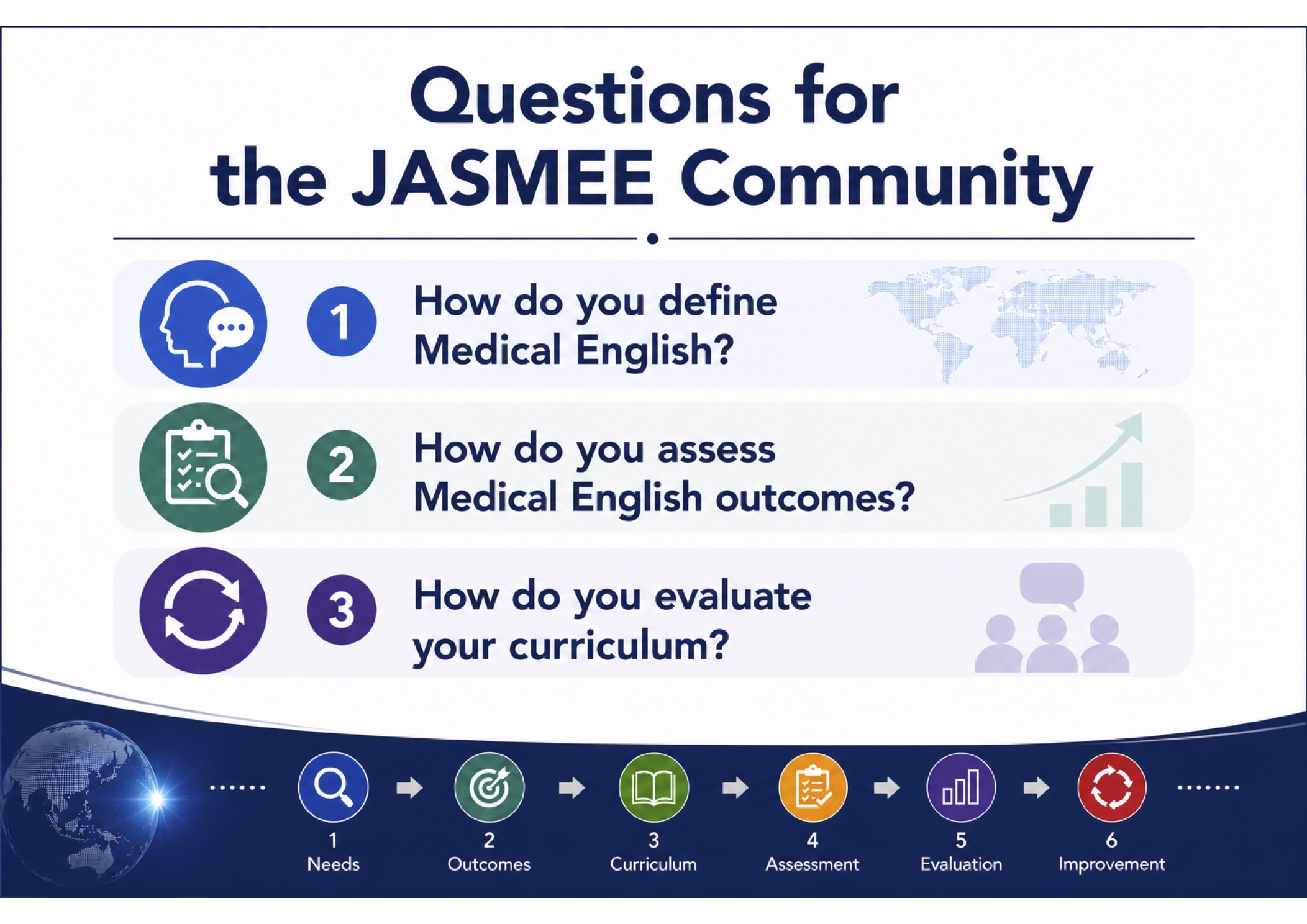 Figure 1. Questions for the JASMEE Community
Why Every Medical English Educator Should Know Kern’s Framework
David Kern originally developed the Six-Step Approach for undergraduate medical education. Although it was not specifically designed for Medical English education, its principles are remarkably applicable to our field.
The framework encourages educators to think systematically by asking six essential questions concerning needs, outcomes, curriculum, assessment, program evaluation, and continuous improvement.
Many Medical English programs begin by selecting textbooks or teaching activities before defining educational needs or intended learning outcomes. Kern’s framework reminds us that curriculum development should begin with educational needs—not teaching materials.
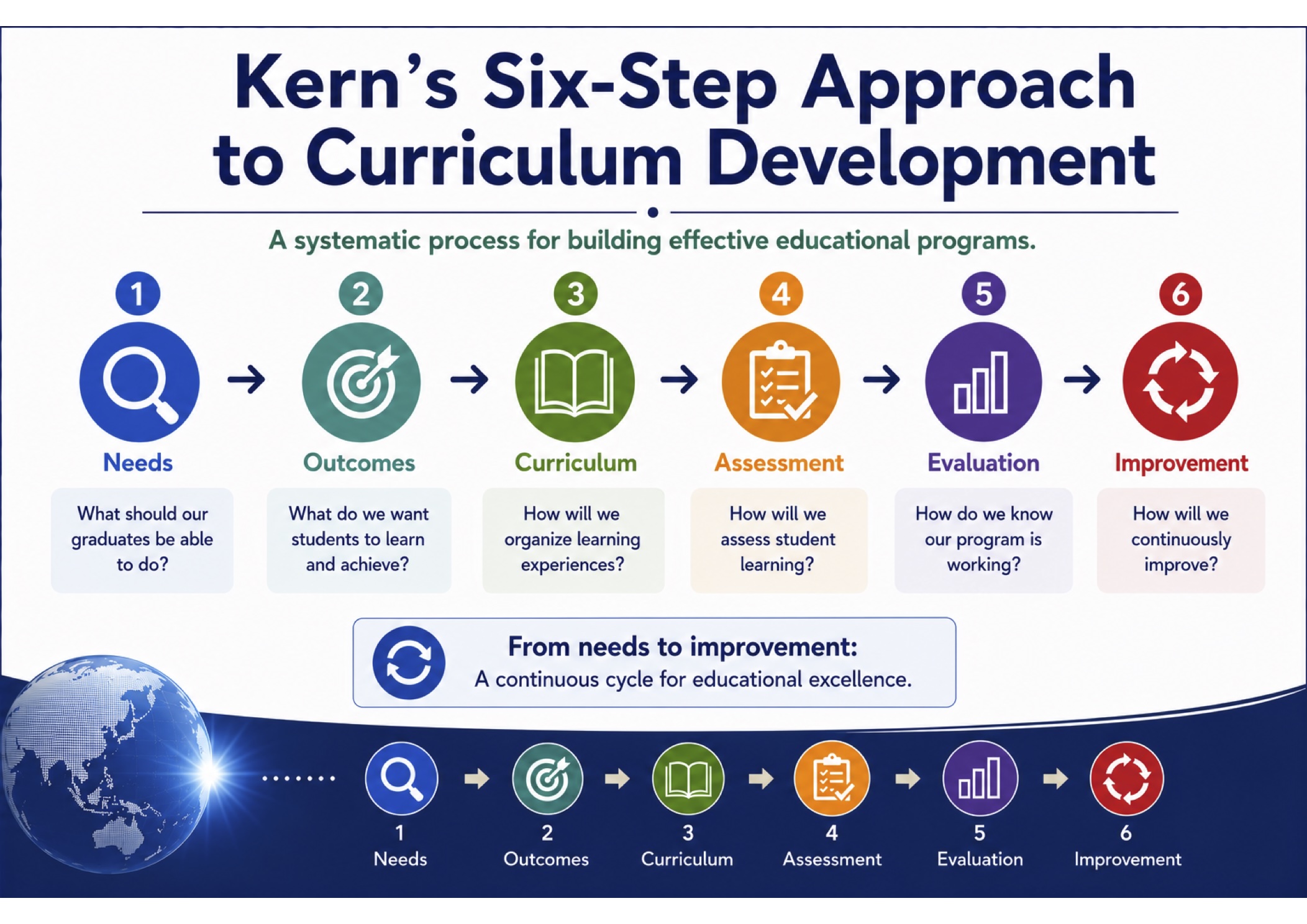 Figure 2. Kern’s Six-Step Approach to Curriculum Development
Step 1: Start with Needs
Needs arise from international standards, national curricula, JASMEE recommendations, licensing examinations, and each institution’s mission and educational context. Because every medical school is different, every Medical English curriculum should also reflect its own needs.
Step 2: Define Outcomes Before Teaching
Once educational needs have been identified, measurable outcomes should be defined. At our institution, Clinical English includes history taking, case presentation, and patient note writing across 35 essential clinical symptoms. Academic English includes extemporaneous speech, oral presentations, poster presentations, and CEFR B2 proficiency.
Step 3: Build the Curriculum Around Those Outcomes
Curriculum should be deliberately aligned with outcomes. Using a longitudinal CLIL-based approach, students progressively develop both clinical communication and academic presentation skills. USMLE seminars, TOEFL preparation, English conversation classes, and Post-CC OSCE preparation reinforce the formal curriculum.
Step 4: Assessment Drives Learning
Assessment serves both summative and formative purposes. Authentic assessments evaluate realistic professional performance rather than isolated language knowledge. Ultimately, students learn what they know will be assessed.
Step 5: Program Evaluation Goes Beyond Student Scores
Student assessment asks: How well did students perform?
Program evaluation asks: How well is the curriculum working?
Many educators routinely assess students, but relatively few systematically evaluate their curriculum. At our institution, Barr’s Modified Kirkpatrick Model helps evaluate outcomes from learner satisfaction to organizational and patient outcomes. Program evaluation should also include qualitative evidence, since graduates’ reflections often provide insights that numerical scores alone cannot.
Step 6: Curriculum Development Never Ends
Curriculum development is a continuous cycle. Evaluation produces evidence. Evidence informs improvement. Improvement leads to curriculum revision. The revised curriculum is then evaluated again, creating a continuous cycle of educational excellence.
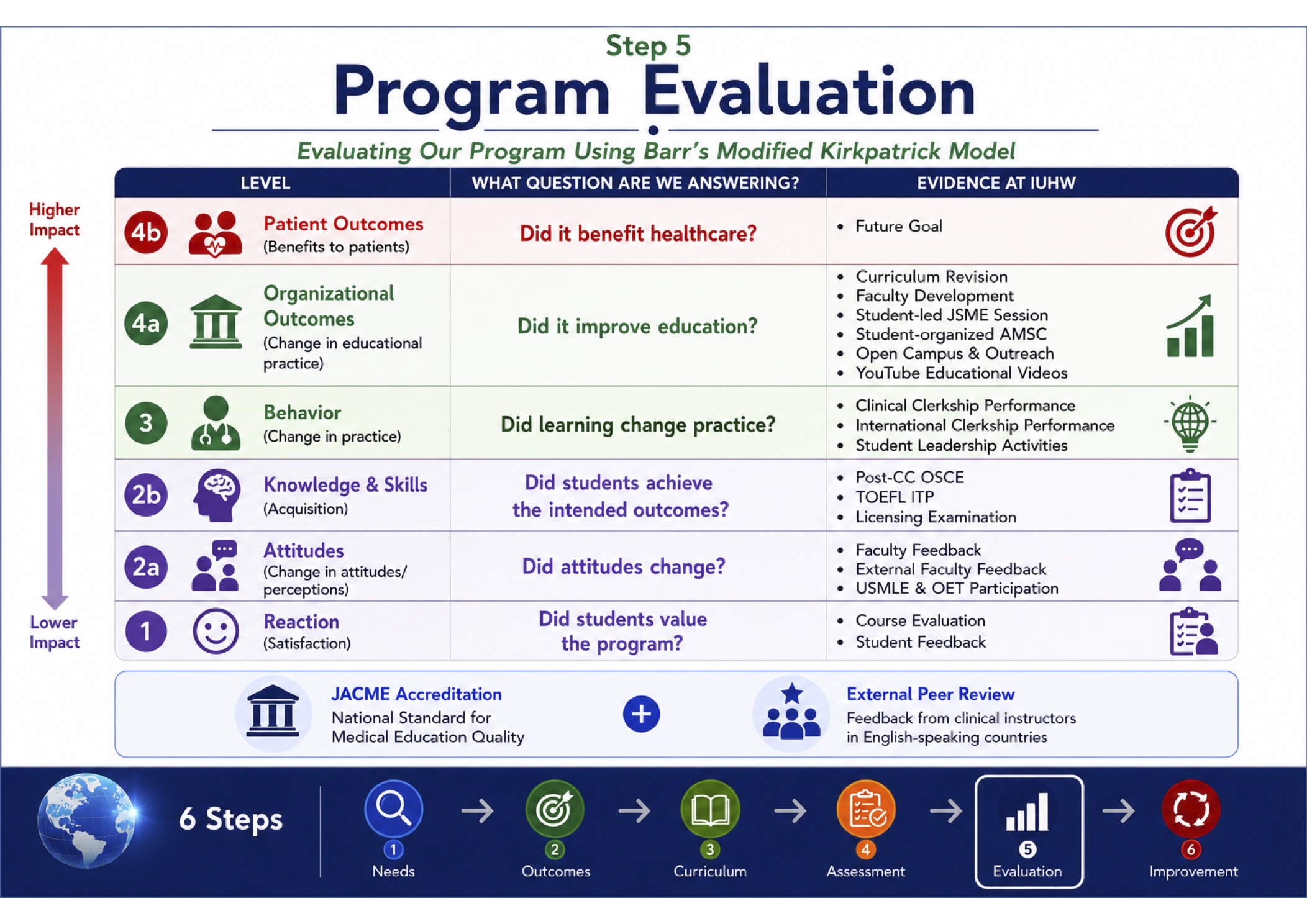 Figure 3. Program Evaluation Using Barr’s Modified Kirkpatrick Model
Looking Ahead
Medical English education has matured considerably over the past decade. Our discussions should move beyond selecting textbooks or designing individual classroom activities. Instead, we should focus on developing coherent, evidence-informed curricula that prepare future physicians for authentic clinical practice, academic communication, and lifelong learning.
Kern’s Six-Step Approach offers a practical framework that any medical school can adapt to its own educational context. While the details of every curriculum will naturally differ, the underlying process remains remarkably universal.
Figure 4 summarizes the central message of our presentation at the JASMEE Annual Meeting. Rather than asking only “What should we teach?”, Medical English educators should continually ask three broader questions:
• How do we define Medical English?
• How do we assess Medical English outcomes?
• How do we evaluate our curriculum?
These questions encourage us to move beyond individual lessons and toward systematic curriculum development.
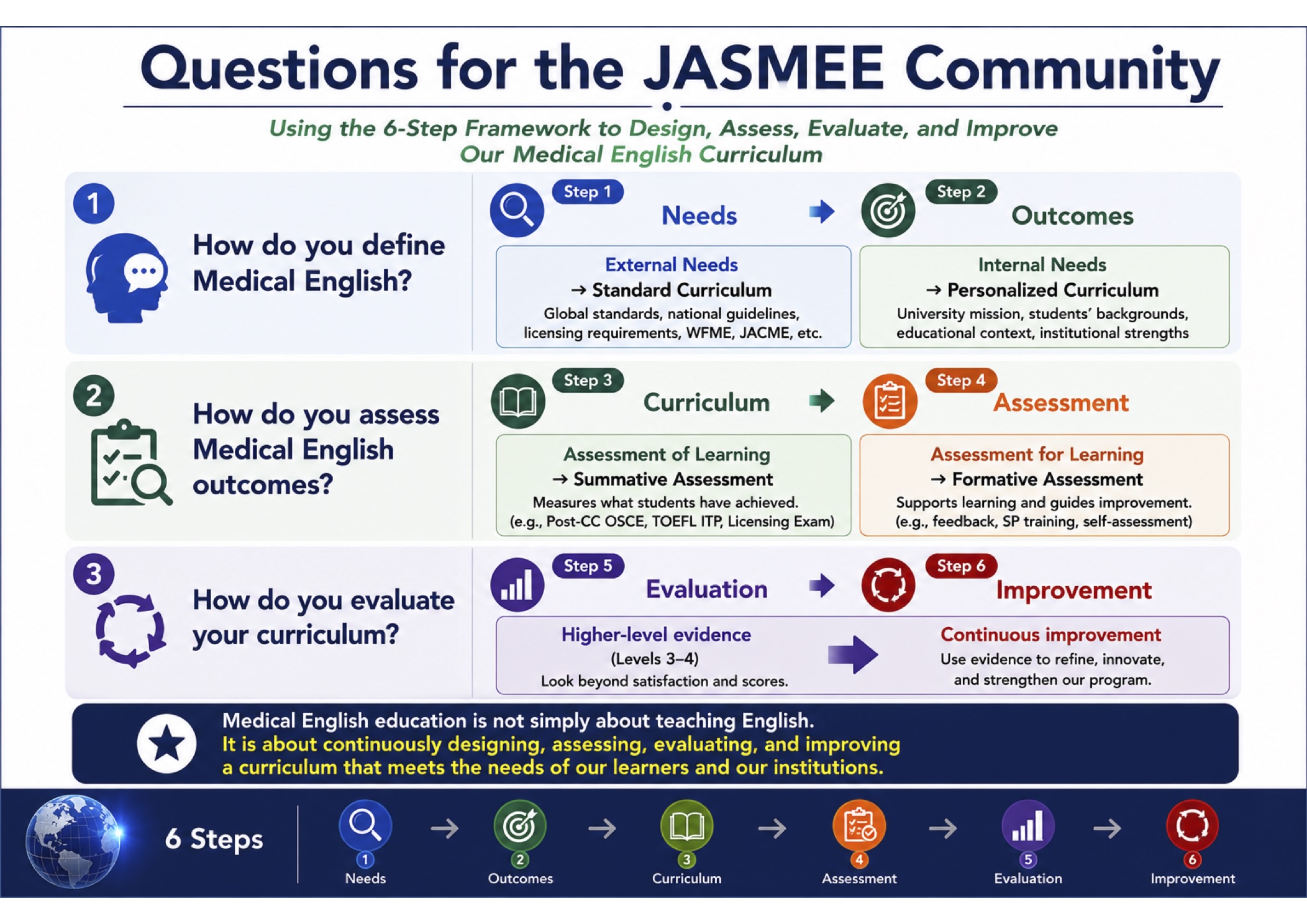 Figure 4. Using the 6-Step Framework to Design, Assess, Evaluate, and Continuously Improve a Medical English Curriculum
Medical English education is not simply about teaching English.
It is about continuously designing, assessing, evaluating, and improving a curriculum that meets the evolving needs of our learners, our institutions, and ultimately the patients they will serve.
As Kern’s framework reminds us:
Excellent curricula do not begin with textbooks.
They begin with educational needs.
And they never stop evolving.
AI Disclosure
This article was drafted with the assistance of generative AI and subsequently reviewed and revised by the author. The final content and opinions expressed here are entirely the author’s responsibility.
From Needs to Continuous Improvement: Why Every Medical English Educator Should Know Kern’s Six-Step Approach © 2026 by Takayuki Oshimi is licensed under CC BY-ND 4.0 

